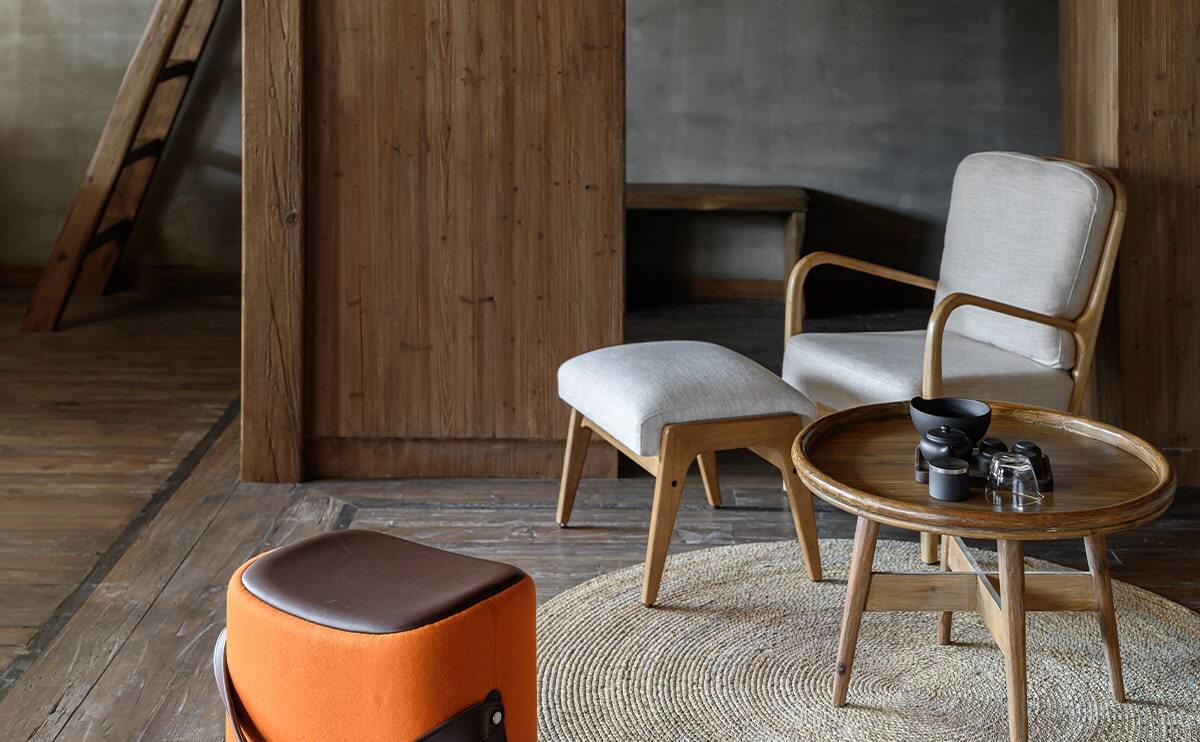


In the quiet revolution of contemporary design, few forces have been as transformative—or as profoundly human—as light. Not the ornamental chandelier nor the harsh glare of utility, but light as an architectural language. Light as atmosphere. Light as empathy.
This is the legacy of Artemide.
For more than half a century, the Italian lighting house has shaped the spaces where we live, work, and gather—not by overwhelming them, but by listening to them. Its philosophy, known as The Human Light, proposes a radical yet deceptively simple idea: illumination must serve the rhythms of human life. It must respond to our moods, our movements, our need for clarity and calm. It must adapt.
Today, as contemporary interiors shift toward openness, fluidity, and multifunctionality, Artemide’s vision feels not only relevant, but essential.
Light as Architecture
Step into a modern lobby or collaborative workspace shaped by Artemide, and one senses immediately that the light is not an accessory. It is the structure.
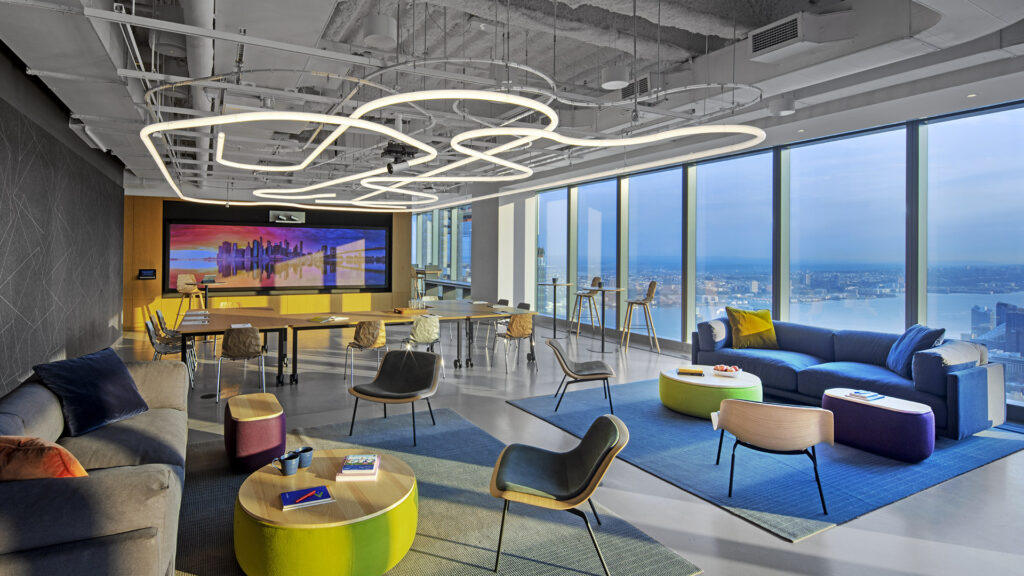
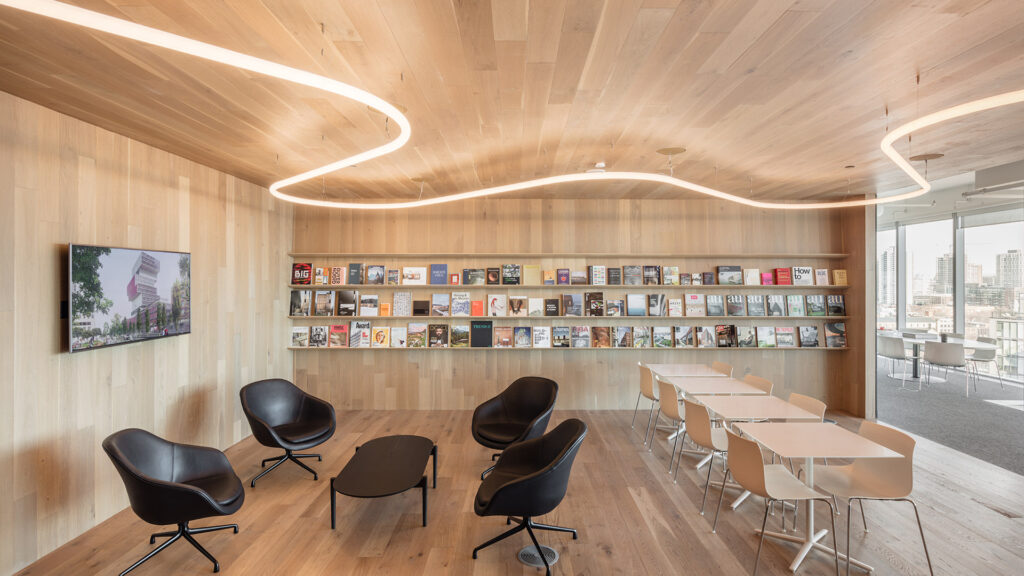
Fluid luminous lines trace the ceiling like calligraphy suspended in air. Circular halos hover above communal tables, defining intimacy within openness. Continuous ribbons of light weave through architectural planes, dissolving the boundary between object and environment.
In projects around the world, Artemide’s modular systems—such as the celebrated Alphabet of Light—demonstrate how illumination can become a compositional tool. Straight, curved, or circular elements assemble into luminous scripts, articulating space with quiet authority. They guide movement without signage. They frame conversation without walls.
The result is not spectacle, but coherence. A spatial choreography written in light.
The Emotional Intelligence of Illumination
The essence of The Human Light lies in its emotional intelligence.
Light, after all, governs our circadian rhythms. It influences productivity, intimacy, and perception. A cool, diffused glow can heighten focus in a creative studio. A warm, enveloping tone can soften the edges of a lounge, inviting repose. Subtle gradations of brightness can transform a single room from morning clarity to evening serenity.
Artemide approaches these nuances with scientific rigor and poetic sensibility. Advanced LED technology, precision optics, and sustainable engineering converge to produce illumination that is both technically exacting and atmospherically refined.
In an era defined by overstimulation, such sensitivity feels luxurious.
Form Without Excess
There is a certain restraint in Artemide’s aesthetic—a discipline that recalls the best traditions of Italian modernism. Forms are pared down to their essential geometry: the circle, the line, the arc. Surfaces are immaculate. Details are nearly invisible.
And yet, within this restraint lies expressiveness.
A suspended ring of light becomes a contemporary chandelier, weightless and pure. A sinuous ceiling installation flows like a luminous river, introducing motion into static planes. Vertical light bars on a crimson wall create graphic tension, turning illumination into art.
These compositions do not compete with architecture; they elevate it. They allow materials—wood, concrete, marble, glass—to reveal their true character under calibrated light.
Human-Centered Design in the Urban Age
As cities grow denser and spaces more multifunctional, the demand for adaptable environments intensifies. Offices become social hubs. Lobbies transform into galleries. Homes double as studios.
In this evolving urban landscape, Artemide’s systems offer flexibility without aesthetic compromise. Modular components expand or contract according to spatial needs. Intelligent controls allow users to modulate intensity and tone throughout the day. Sustainability remains integral, reducing energy consumption while enhancing performance.
For design leaders and architects, this adaptability is not merely practical—it is philosophical. It acknowledges that space is dynamic because life is dynamic.
Light must follow.
A New Way of Seeing
To experience Artemide is to recognize that illumination is not a background condition. It is a protagonist.
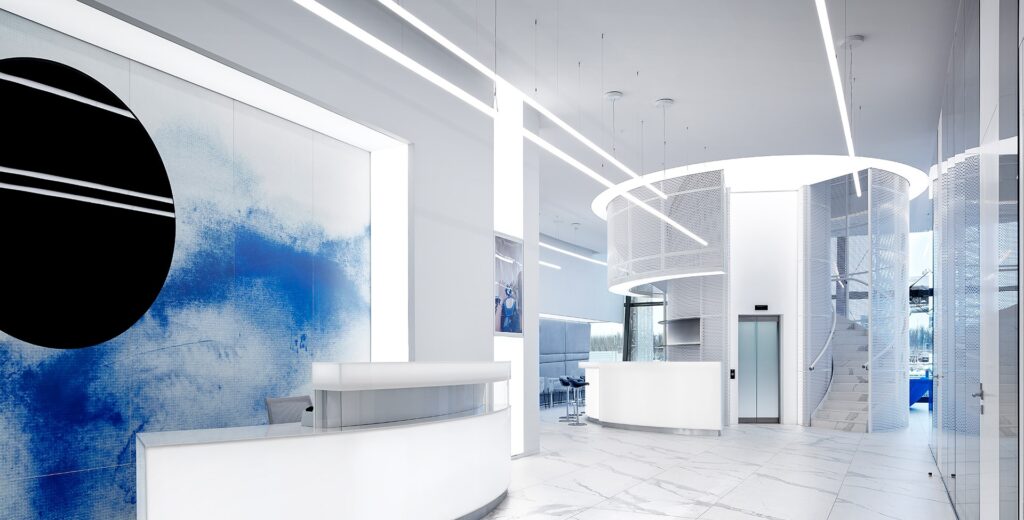
It shapes first impressions in reception areas flooded with sculptural luminosity. It anchors conversation beneath a hovering halo in a boardroom overlooking the city. It turns a quiet reading corner into a sanctuary through a single, deliberate line of glow.
In each instance, light becomes a mediator between architecture and emotion—between structure and soul.
That is the enduring brilliance of The Human Light. It reminds us that design, at its highest level, is not about objects. It is about people. About how they feel when they enter a room. About how they move through it. About how they remember it.
At Urbanloft Journal, we celebrate such moments—where innovation meets intimacy, and where light transcends function to become experience.
Because in the end, we do not simply inhabit spaces.
We inhabit the light within them.